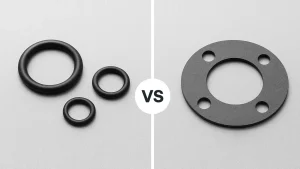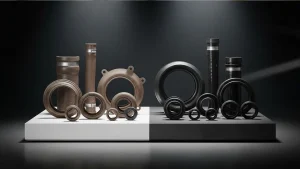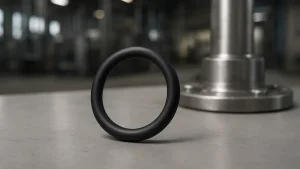
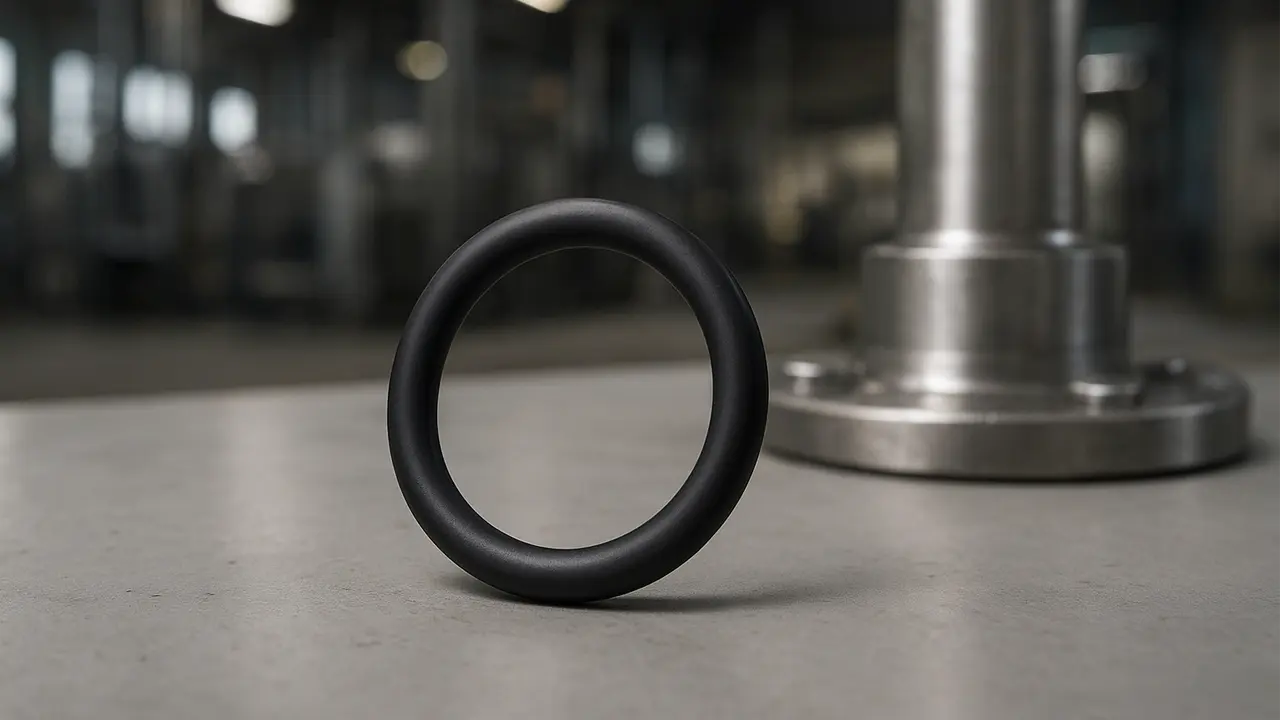
O-rings are critical components in industrial sealing systems across oil & gas, petrochemical, automotive, and heavy machinery sectors. These small yet vital parts, made from durable rubber or polymer materials, are designed to prevent leakage of liquids and gases in valves, pumps, and fittings. The quality of an O-ring directly affects the performance, safety, and lifespan of equipment.
At Rubberex, commonly used O-ring materials include:
- NBR (Nitrile Butadiene Rubber): Resistant to oils and fuels
- EPDM: Heat and water resistant
- Viton: Chemically resistant, suitable for aggressive media
- Silicone: Flexible at extreme temperatures
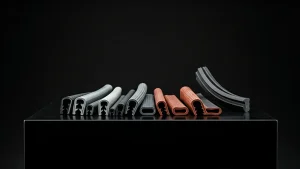
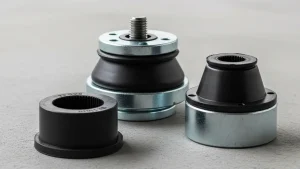
Selecting the right material based on fluid type, operating temperature, and pressure is crucial. Key physical properties such as elasticity, mechanical strength, dimensional stability, and chemical resistance ensure effective sealing even under high pressures and temperatures.
O-rings are manufactured in both standard and custom sizes to fit various connections and allow easy installation. Multi-stage quality control and precise engineering ensure each O-ring meets international standards. Choosing the right O-ring not only prevents leaks but also reduces maintenance costs and enhances equipment and personnel safety.
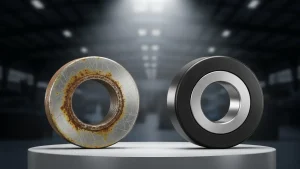
In short, O-rings combine optimal material selection, precise design, and superior manufacturing quality to ensure flawless performance of industrial systems. Selecting the correct O-ring based on operational conditions is one of the most important factors in guaranteeing durability and efficiency.